
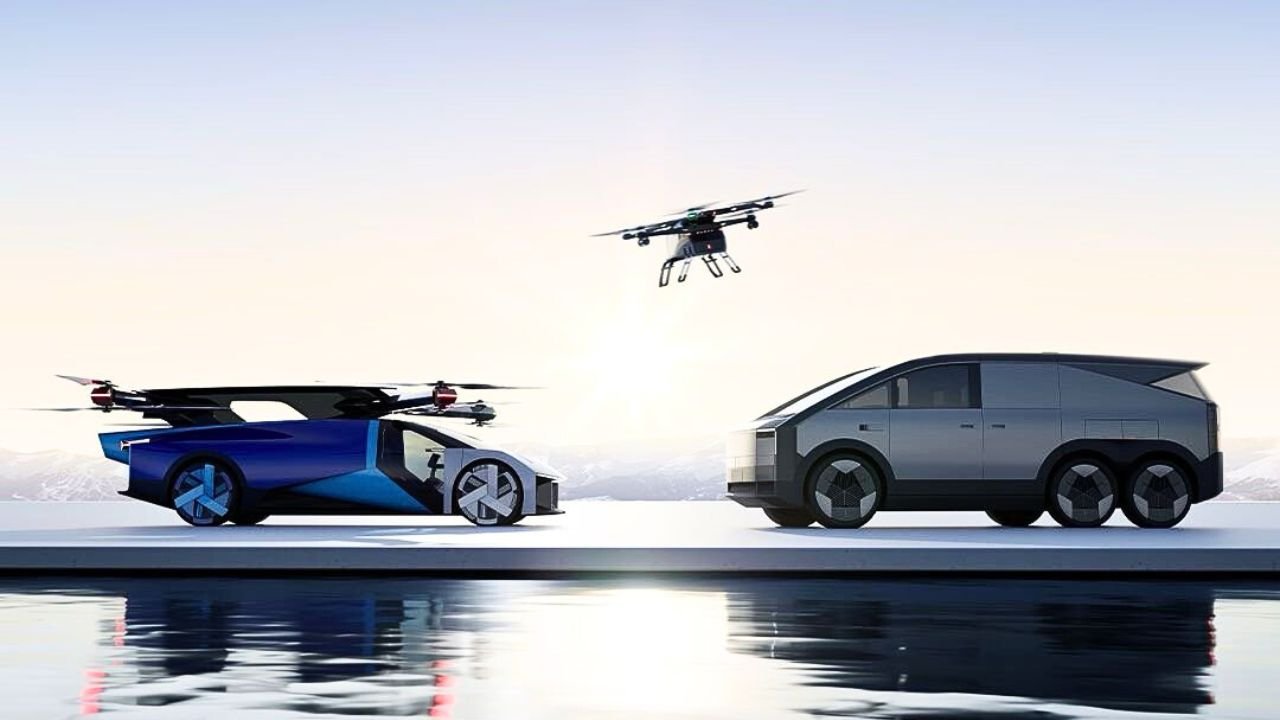
In the world of air mobility, no other company has pushed the boundaries as aggressively as XPeng. The Xpeng flying car models are making even sci-fi movies look dated. What started as a visionary startup in 2013 under the name Heitech is now evolving as the largest flying car manufacturer.
Built at its dedicated 120,000 sq. mtr. factory in Guangzhou under the brand Aridge (previously known as XPeng AeroHT), it has an annual capacity of up to 10,000 units. Aridge recently rolled out its first production unit off its assembly line and has amassed over 7,000 pre-orders for its flagship “Land Aircraft Carrier” model.
Deliveries are expected to begin in 2026, so let’s dive into the amazing Xpeng flying car models lining up to hit the market soon.
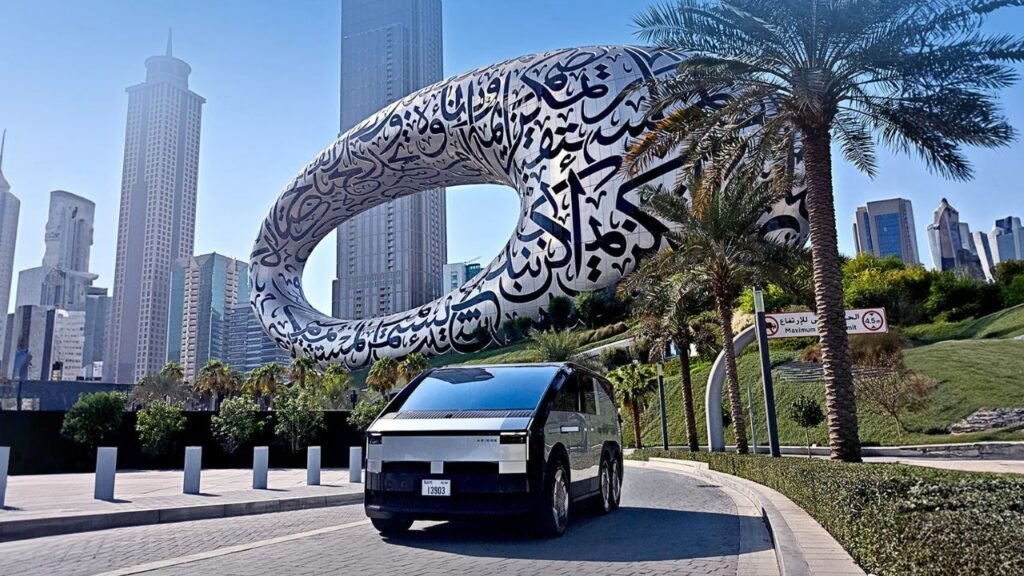
Land Aircraft Carrier: World’s First Mass-Produced Flying Car
This is Xpeng Aridge’s blockbuster, a two-part modular system that consists of a six-wheeled ground vehicle “Mothership” and a detachable “Air Module” eVTOL. Unveiled at the CES 2025, it recently entered mass production.

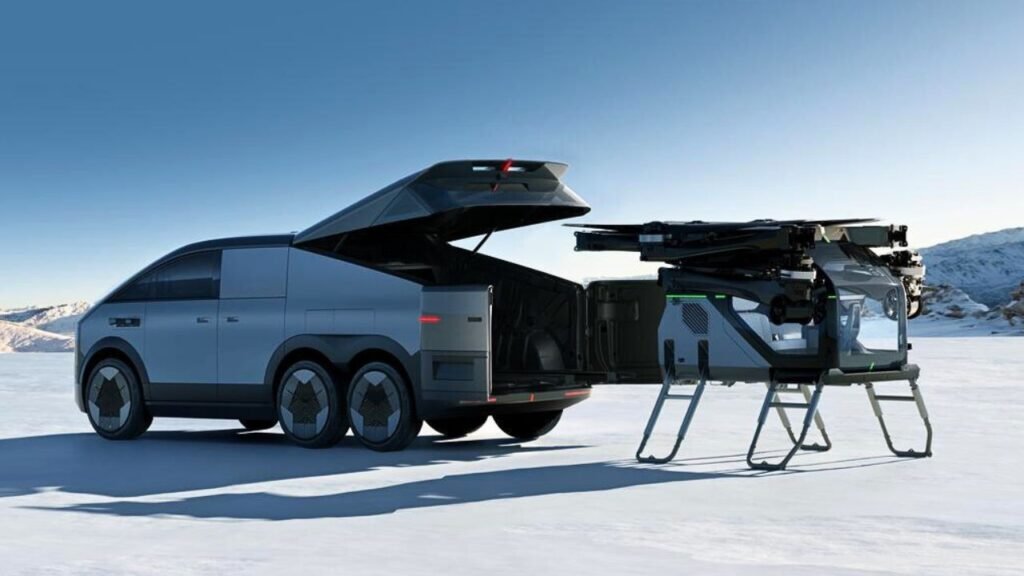
The ground vehicle “Mothership” is an 800V extended-range electric vehicle (EREV) with over 1,000 km of comprehensive (CLTC) range. With over 5.5 meters in length, it has six wheels on three axles for off-road capability and can accommodate up to 5 passengers.
The detachable “Air Module” eVTOL has six dual-ducted rotors with foldable arms. The cockpit accommodates two passengers with a single-stick control. For safety, it comes with a multi-parachute system pre-installed.
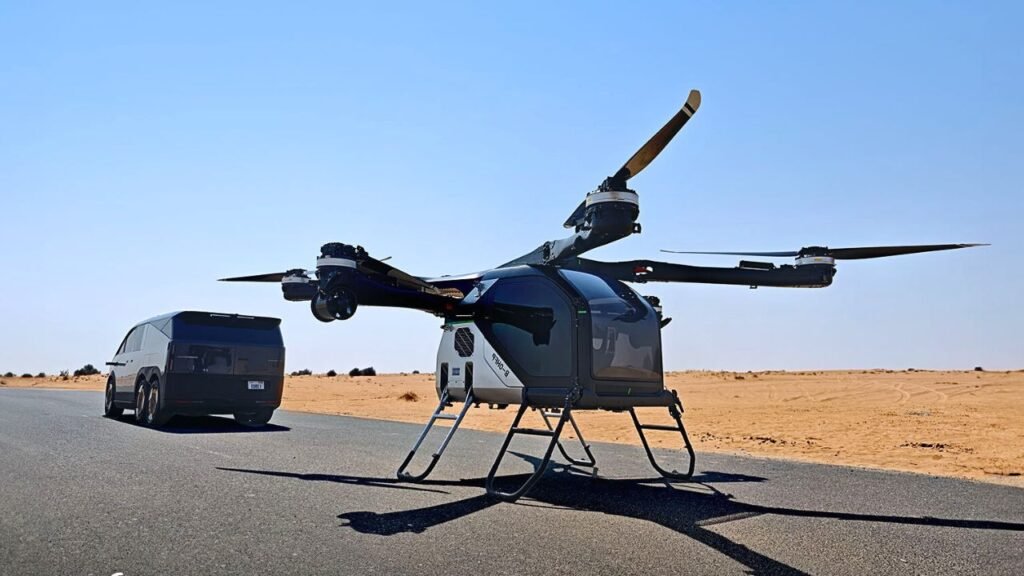
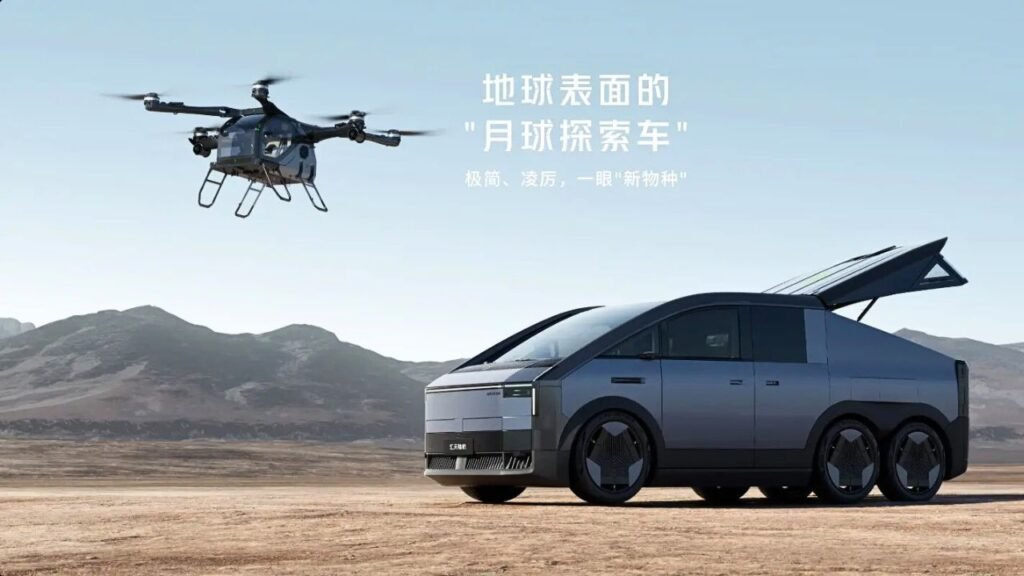
This Xpeng flying car price starts at RMB 2 million (USD 280,000) in China, and with over 7,000 pre-orders, your next Uber ride can soon be in a flying car.
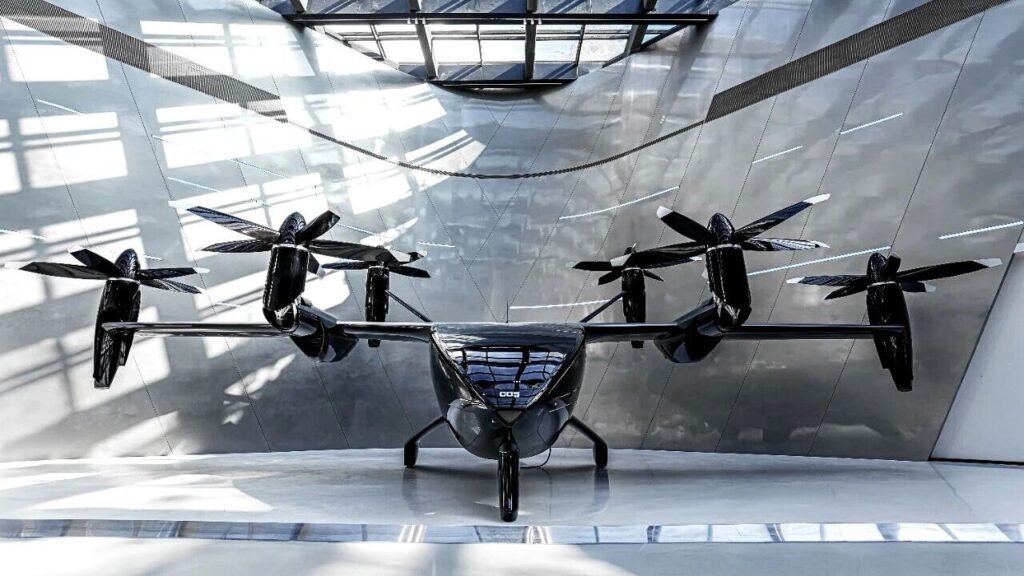
Aridge A868: The Long-Range Tiltrotor Beast
The Aridge A868 debuted on XPeng’s 2025 AI Day and is a six-passenger hybrid tiltrotor eVTOL designed for high-speed intercity trips.
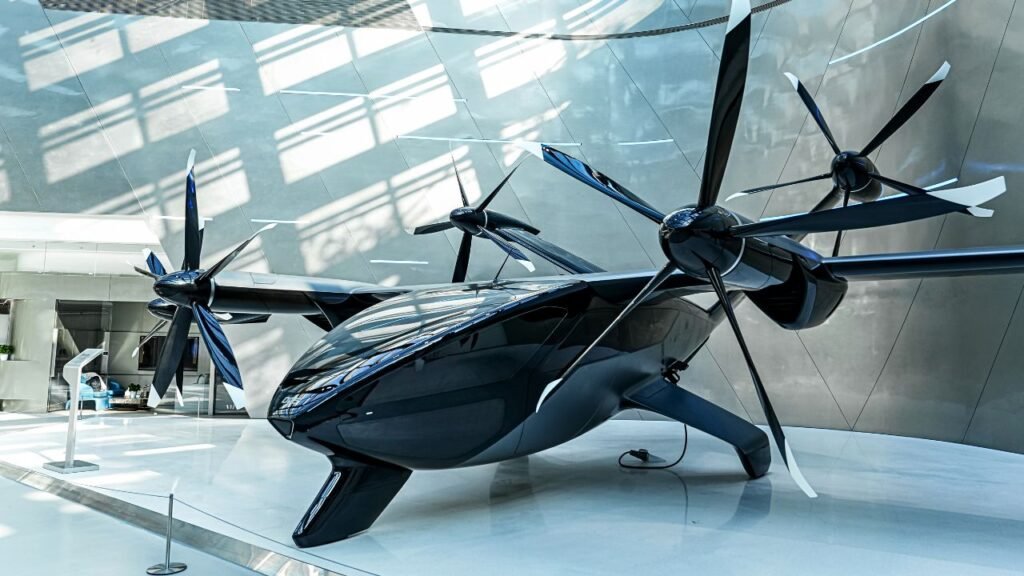
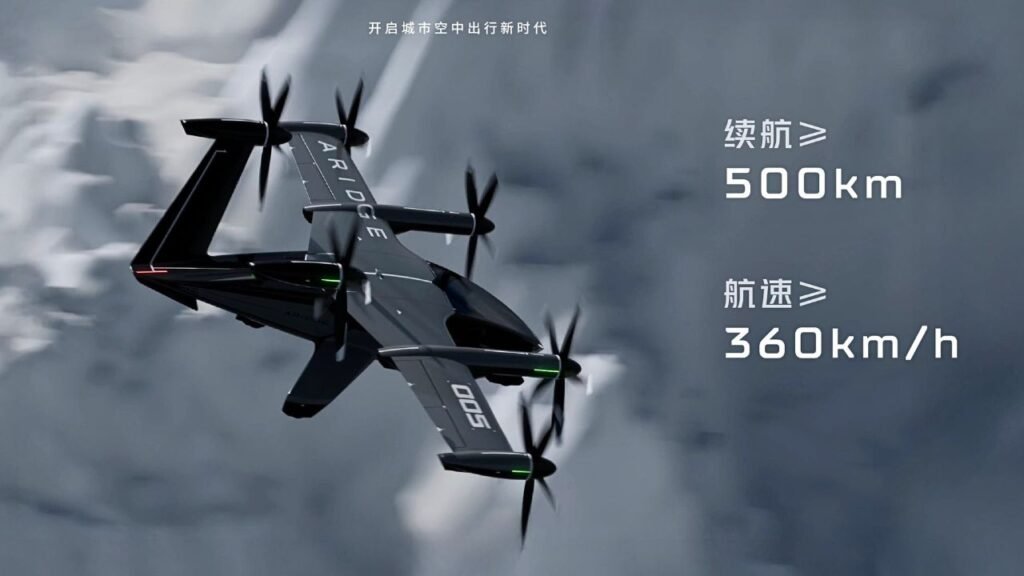
Powered by an electric-hybrid system, it features six tilting propellers for an efficient cruise. It offers a range of over 500 km and a top speed of over 360 km/h (224 mph)—faster than most helicopters.
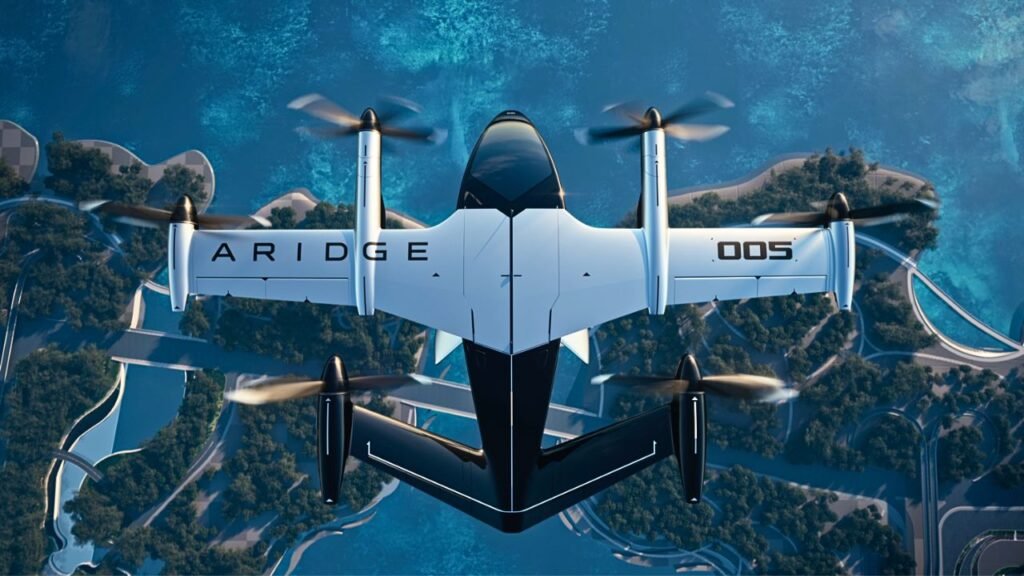
Featuring a carbon-fiber airframe and powered by XPeng’s Turing AI chip, this XPeng flying car is expected to hit commercial service by 2027, with prototypes already under flight testing.
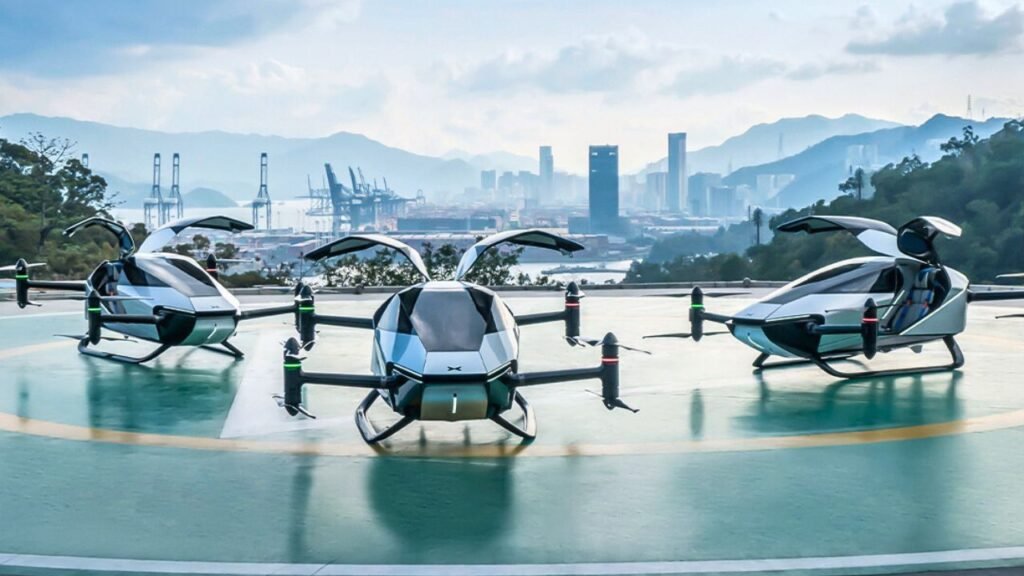
Xpeng X2: The Pioneering Pure eVTOL
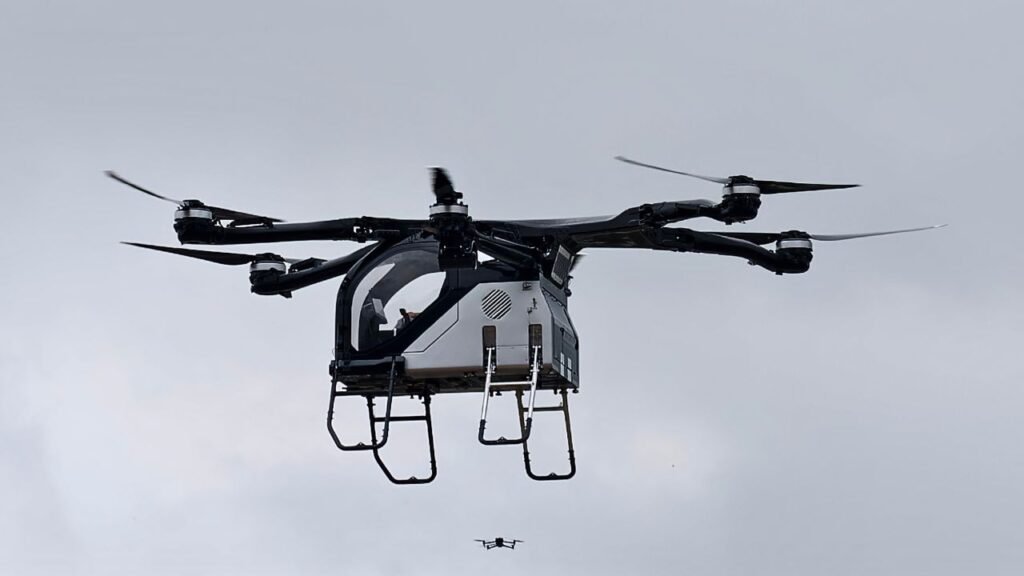
The Xpeng X2 (also called Voyager X2) is a sleek, two-seater eVTOL multicopter that looks more like a drone. The X2 has completed over 20,000 test flights, including public demonstrations in Dubai (2022), Guangzhou (2024), and Europe.
With a top speed of 130 km/h (81 mph), a cruising altitude of 300-500 meters, and a flight time of up to 35 minutes on a single charge, it is ideal for an urban air taxi, emergency response, and thrill-seekers.
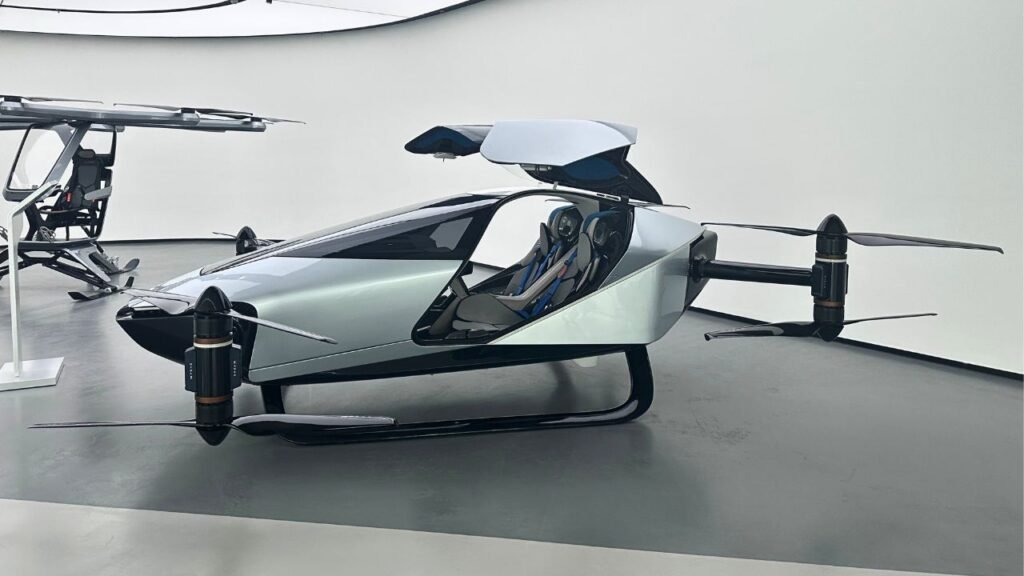

Weighing just 360 kg, propulsion is provided by eight independent electric motors driving the eight propellers. There’s both autonomous and manual mode with real-time obstacle avoidance via multi-sensor fusion (radars, cameras, LiDAR).
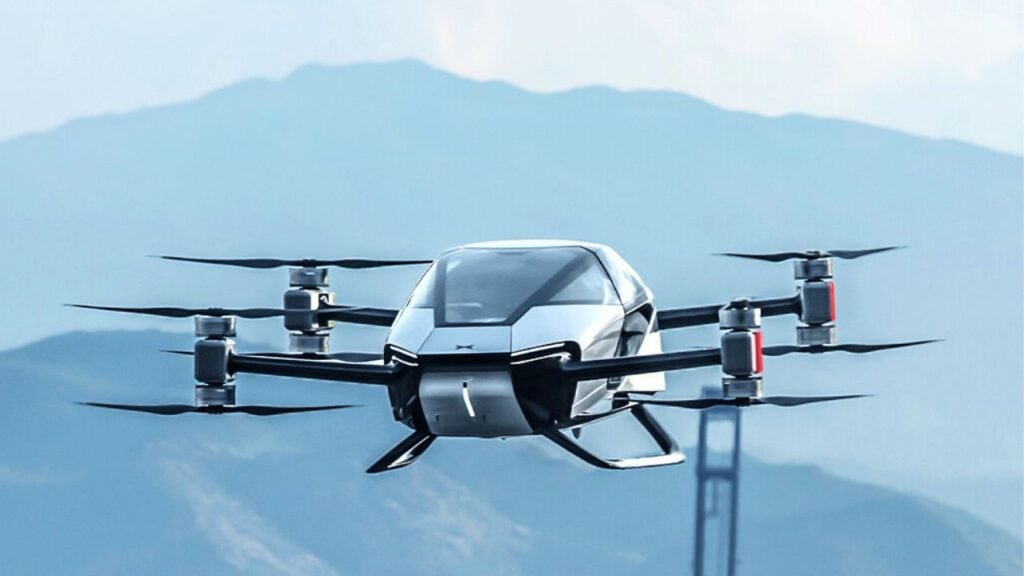
For safety, there is a deployable parachute plus autonomous return-to-home and emergency landing protocols. The Xpeng X2 has also received airworthiness approvals in China and the UAE, making it one of the few eVTOLs cleared for crewed operations.
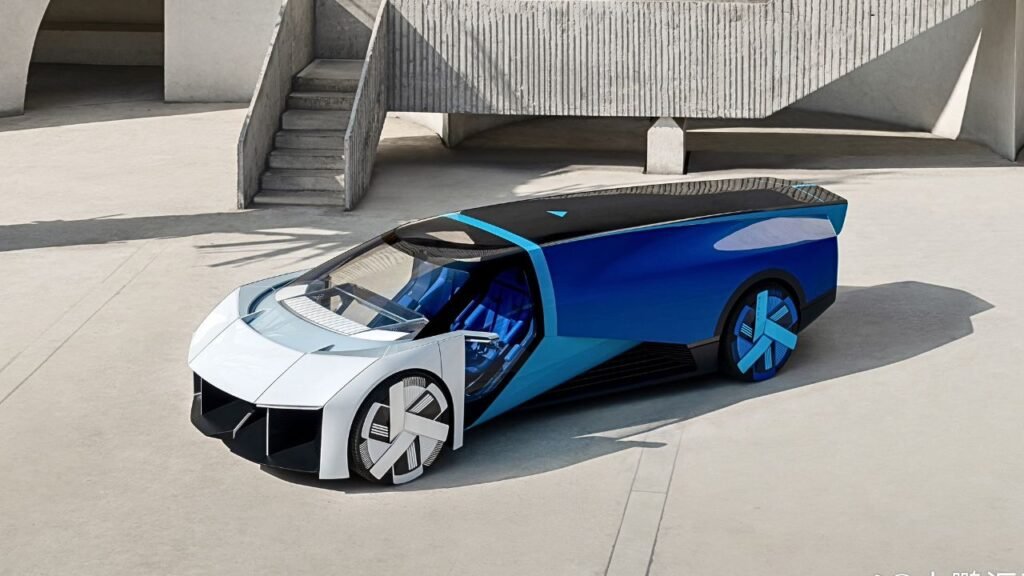
Xpeng AeroHT eVTOL Flying Car Concept
This concept is straight out of Transformers, creating a lot of buzz from the moment it was showcased to the public. With its elegant fusion of design and technology, this concept offers the look, feel, and driving experience of a supercar but can transition effortlessly from land to flight mode, allowing drivers to take to the air.
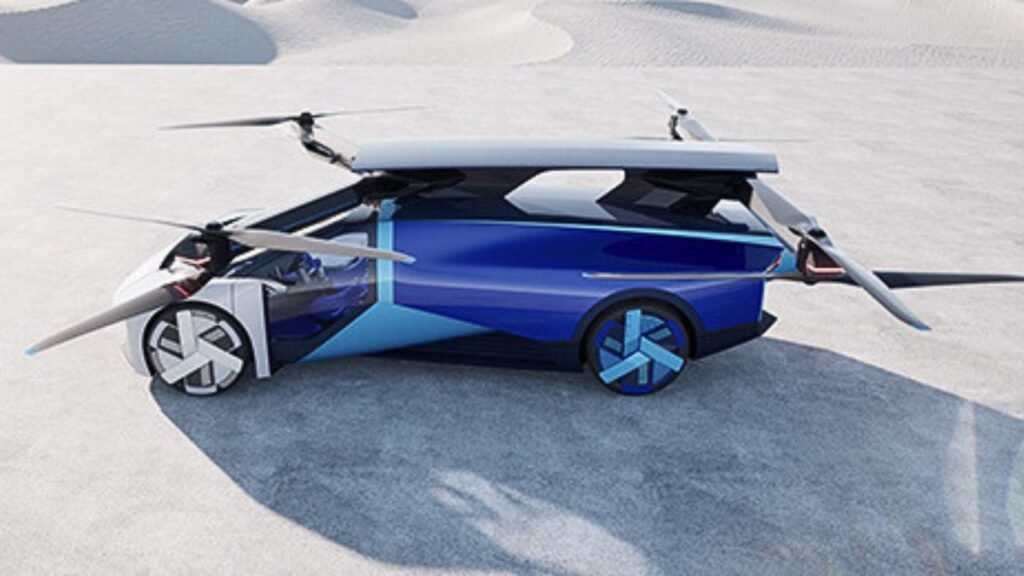
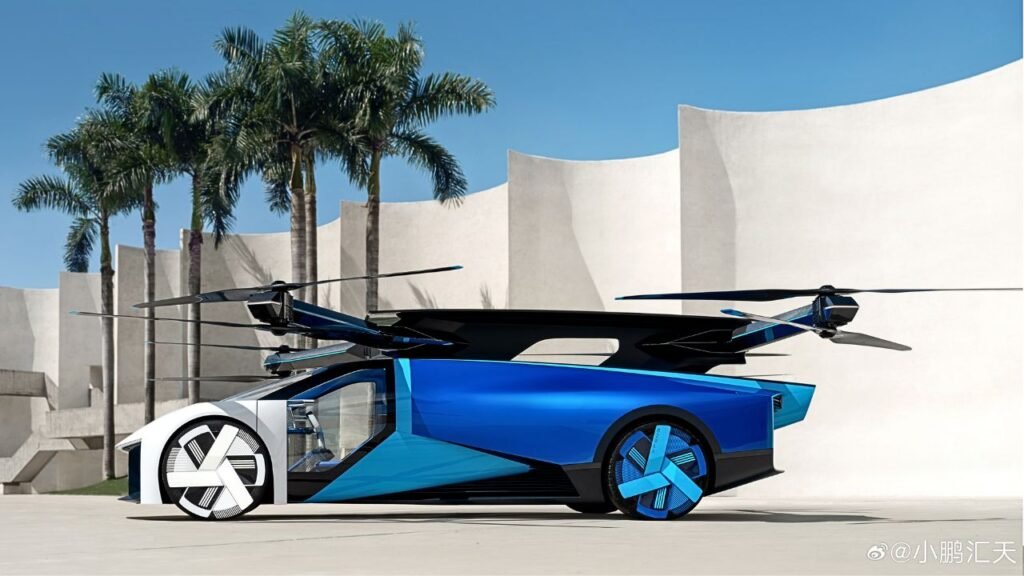
The two-seater electric vehicle has eight propellers, which fold completely into the car.
In 2022, XPENG had successfully flight-tested a prototype weighing approximately 2 tons. The concept is Xpeng’s vision of the future when regulation and policies will allow for three-dimensional transportation.
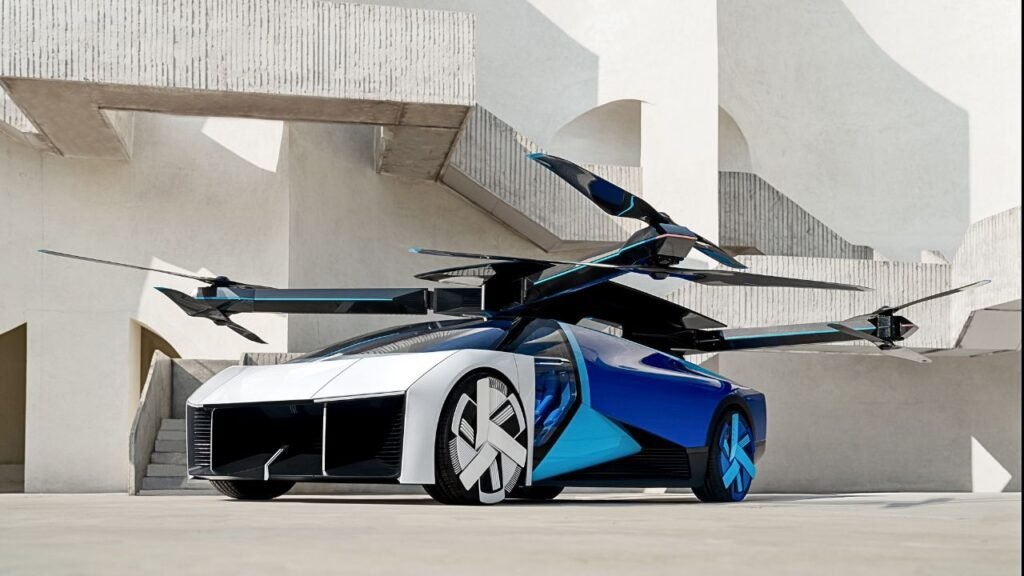
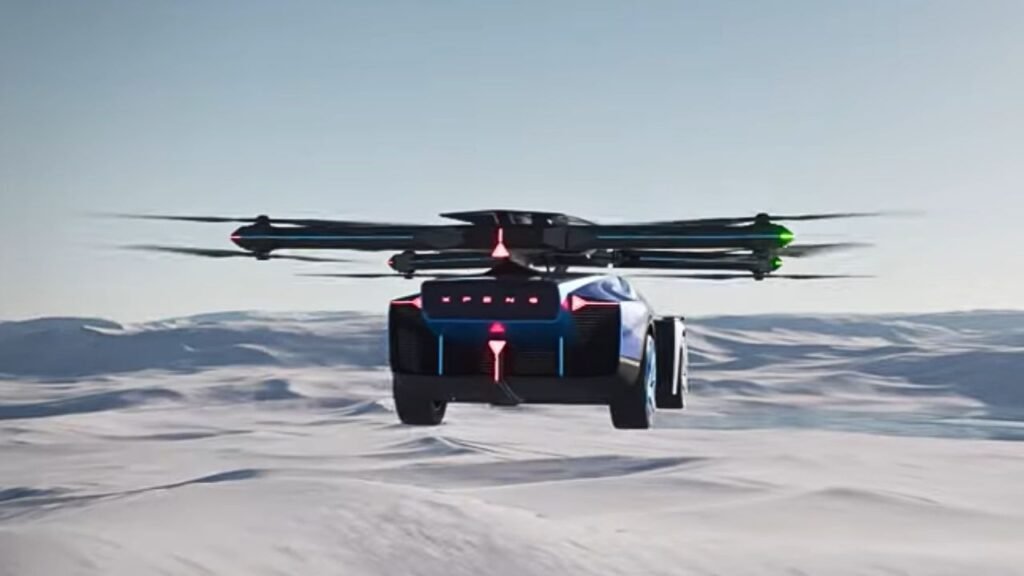
Will this amazing concept make it to production, and how much will it cost? This is definitely in every auto enthusiast’s mind.

Why Xpeng Aridge Is Leading the Pack
Xpeng Aridge (previously Xpeng AeroHT) has been at the forefront of flying car technology ever since its inception in 2013. The Land Aircraft Carrier model already holds the Type and Production Certificates from China’s CAAC, with airworthiness certificates pending.
The success of Aridge and other Chinese companies in the flying car market can also be attributed to the Chinese government’s initiative to develop the low-altitude flying market in China, especially for adventure tourism, search-and-rescue, and low-altitude commuting.
“The future of mobility goes beyond cars. Whether people want to travel by cars, air, or other ways, we aspire to change what’s possible,” said Dr. Brian Hongdi GU, vice chairman and president of Xpeng.
So if you are one of the autothusists who would also love to fly, do check out Xpeng’s Aridge official website for latest updates on these Xpeng flying car models.

This blog is definitely rather handy since I’m at the moment creating an internet floral website – although I am only starting out therefore it’s really fairly small, nothing like this site. Can link to a few of the posts here as they are quite. Thanks much. Zoey Olsen
Thanks for sharing. I read many of your blog posts, cool, your blog is very good.