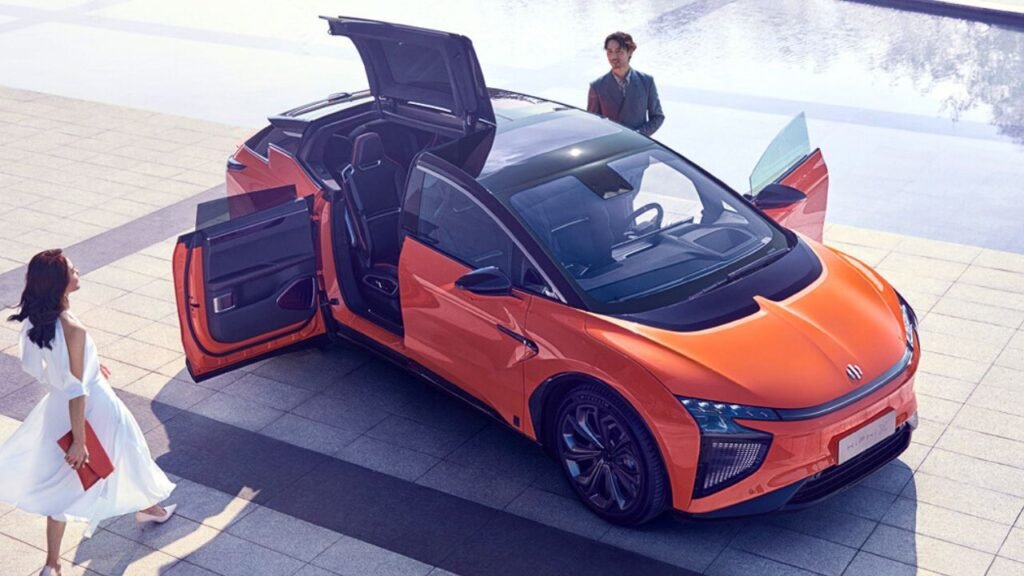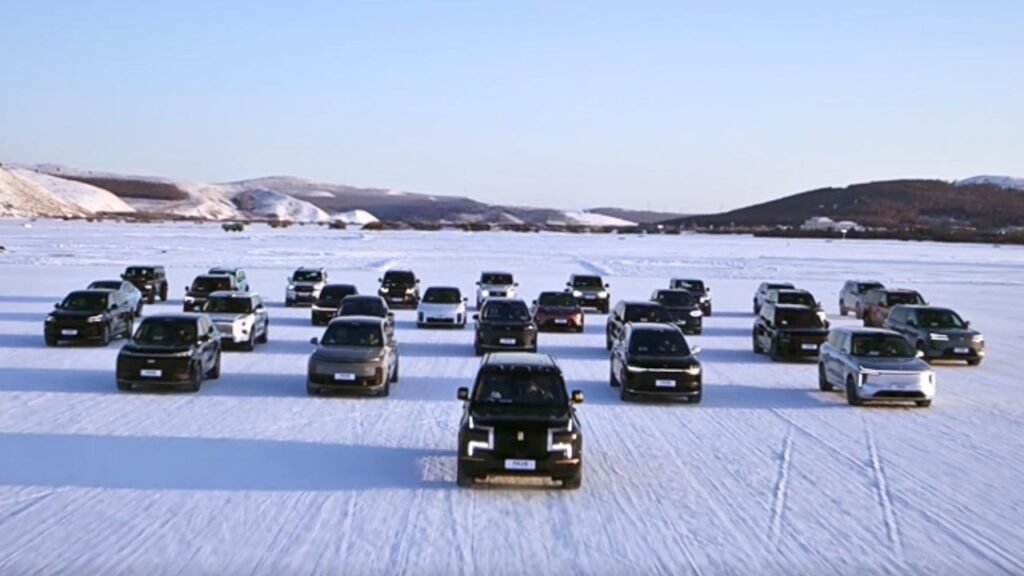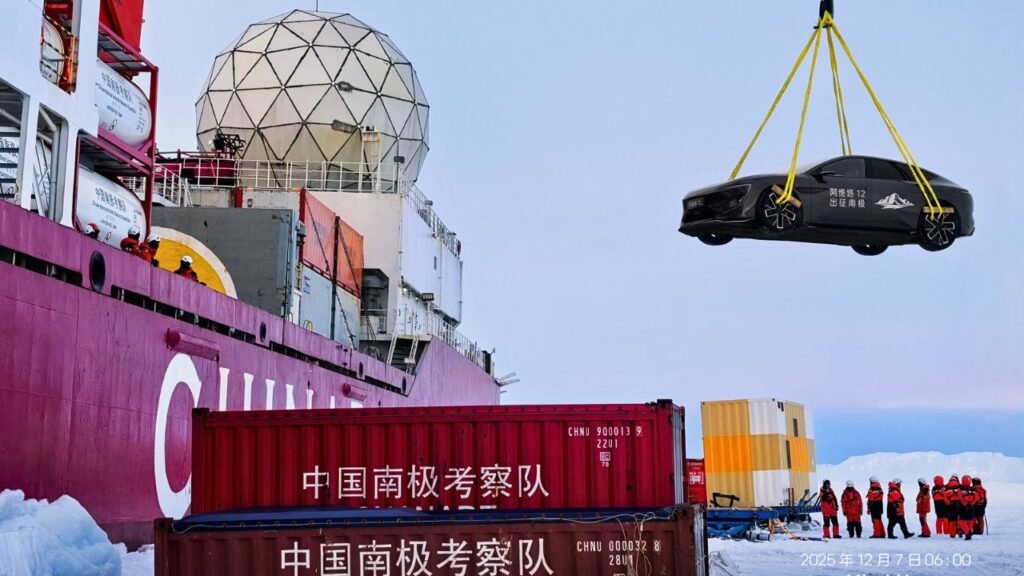

Today’s world is seeing a rapid growth in AI and autonomous driving technologies, and LiDAR is the unsung hero. It is now powering everything from self-driving cars to humanized robots. So let’s dive into what makes a LiDAR tick, why Tesla still doesn’t use LiDARs, and whether they really are the key to our autonomous future.
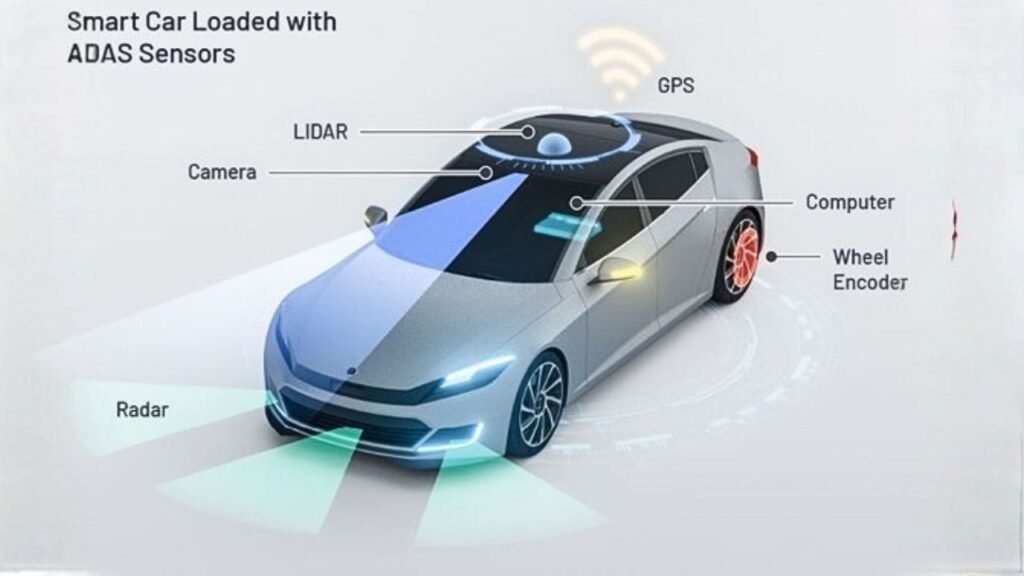
What is LiDAR, and what does LiDAR stand for?
LiDAR stands for “Light Detection and Ranging” and works like a radar. While radars use radio waves, LiDARs use laser lights (in the near-infrared spectrum, invisible to our eyes) to detect objects and measure distances with pinpoint accuracy.
It was first developed by Hughes Aircraft Company in the 1960s and was used for mapping the terrain on our Earth and even the moon’s surface during the Apollo 15 mission in 1971.
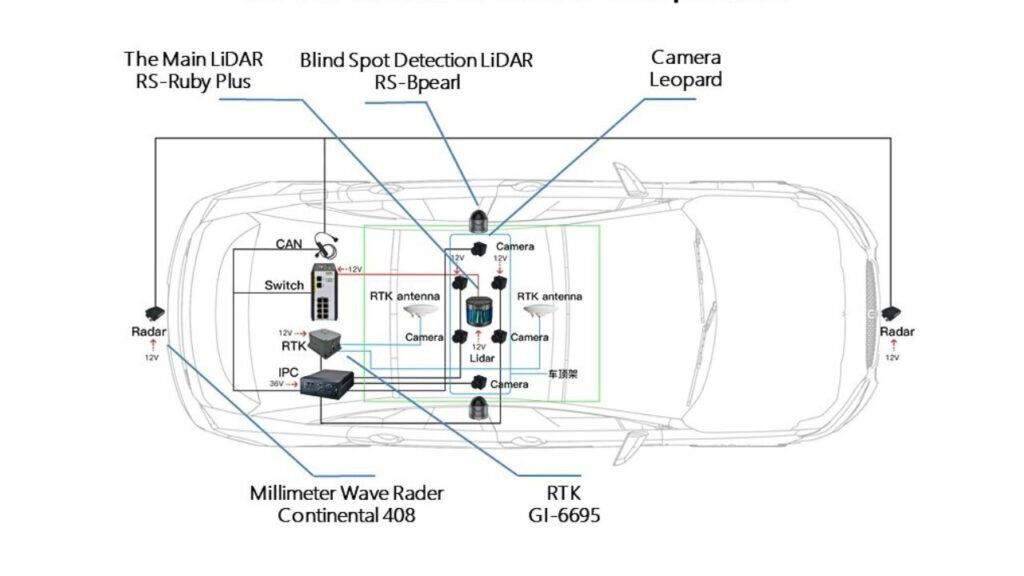
How does LiDAR work?
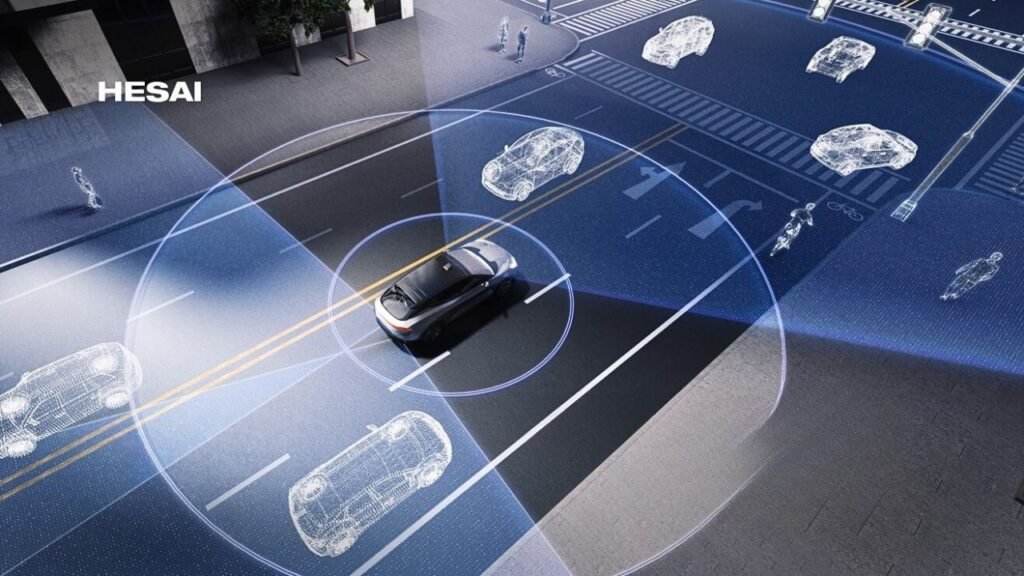
The LiDAR works much like a radar. Both are remote sensing technologies, and while the radar uses radio waves, the LiDAR uses light (laser beams) instead. The LiDAR technology works by emitting rapid laser pulses (up to a million per second in high-end models), which, when they hit an object, bounce back and are received by the sensor. As light travels at 300,000 km/s, the LiDAR scanner times the round trip to get an exact measurement of the distance.
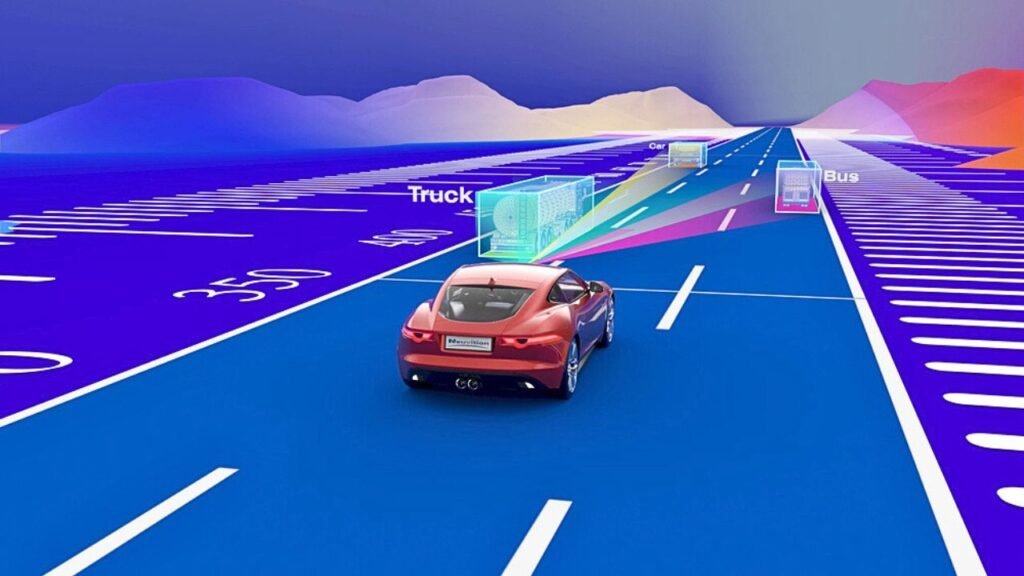
Repeating this across a wide field of view, the LiDAR builds a “point cloud,” a digital swarm of data points representing the environment in 3D. In real time, this lets a self-driving car dodge a cyclist or a robot arm grab a fragile egg.
Types of LiDAR and Automotive LiDAR
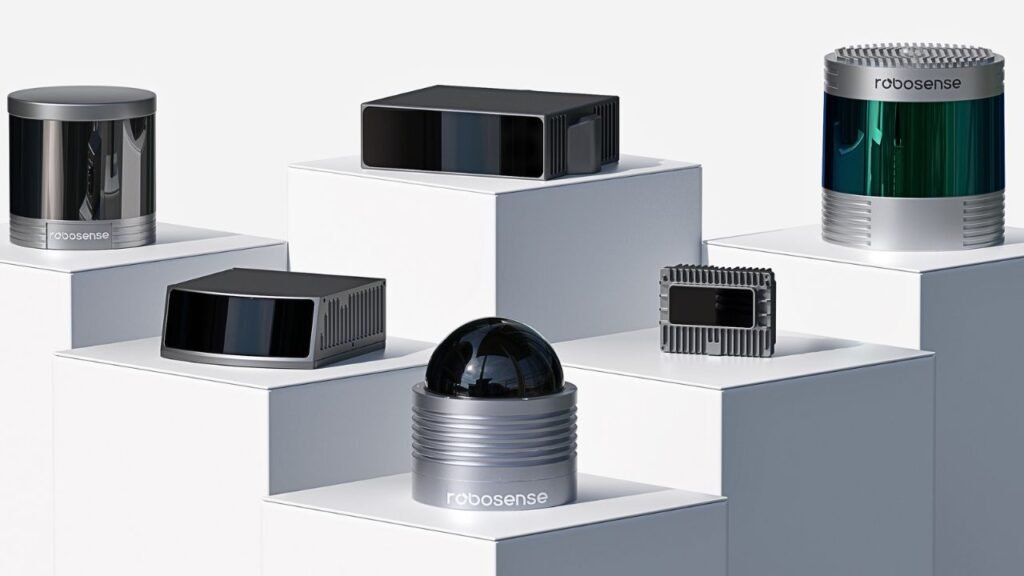
The LiDAR types are classified either by their platform (airborne, terrestrial) or their scanning technology (mechanical, solid-state, flash). The airborne lidar is mounted on an aircraft to map a large area, whereas a terrestrial lidar is ground-based and offers much more detailed local mapping.
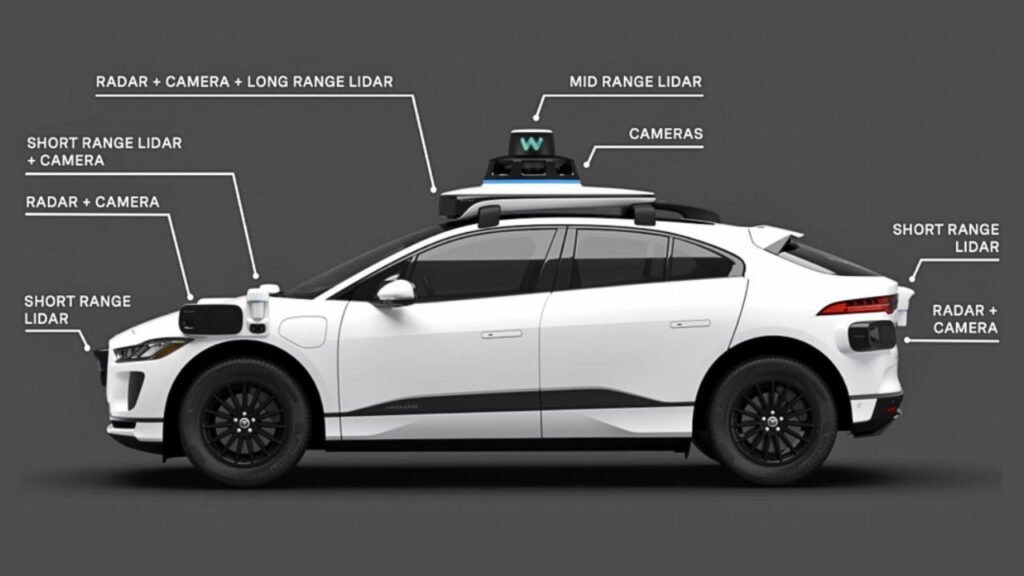
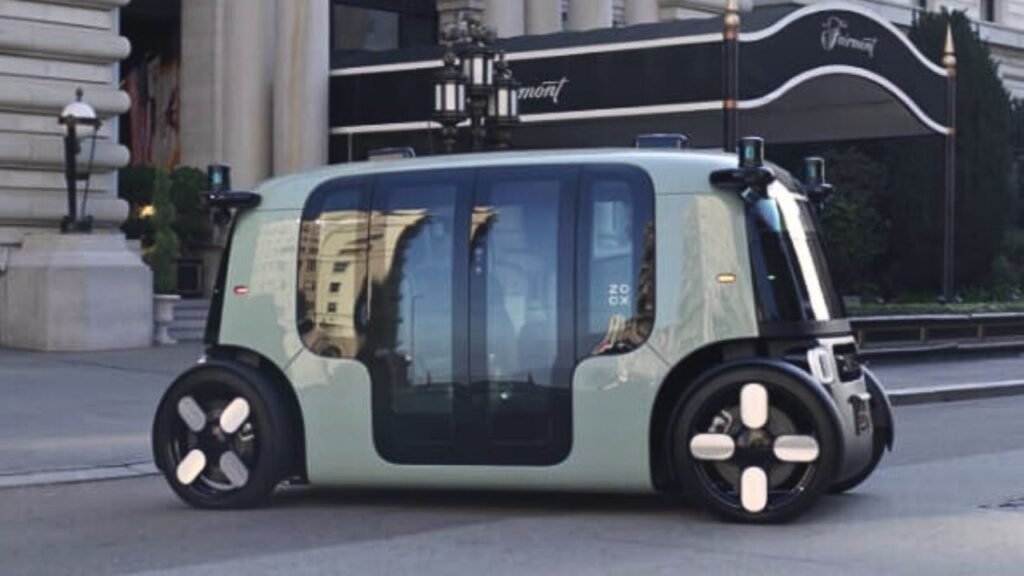
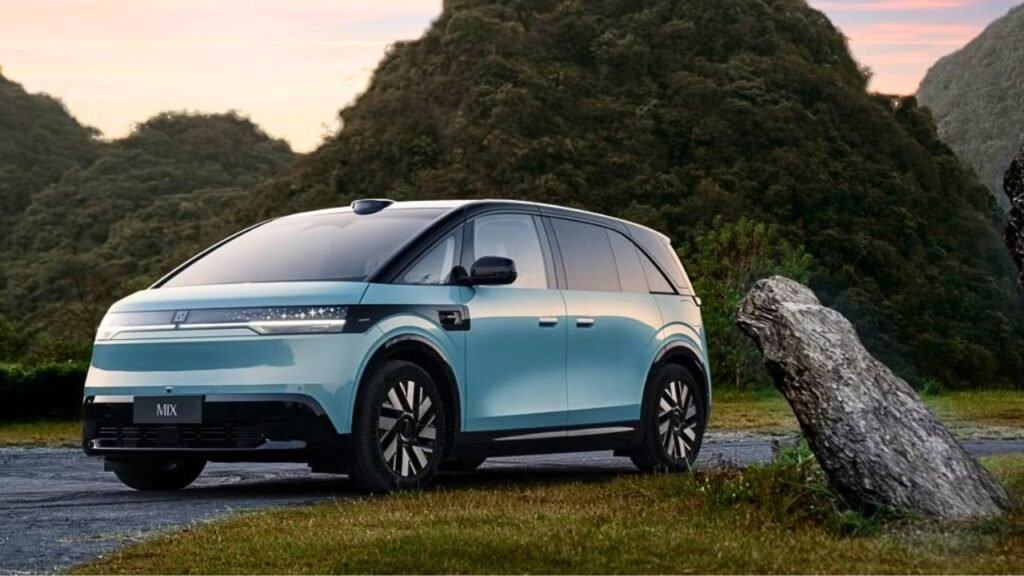
An automotive LiDAR is tailored for cars and can scan up to 300 meters at high speeds in high resolution. They’re like eyes of the autonomous driving revolution, feeding data to its AI brain for split-second decisions. It enables the vehicle to measure distances, detect objects and road signs, and even adjust the suspension immediately according to road conditions.
Why doesn’t Tesla use LiDAR and radar?
Tesla uses only cameras for its Full Self-Driving (FSD / Autopilot) functioning. Elon Musk believes LiDAR and radar are a fool’s errand, and anyone relying on them is doomed. He called it a crutch that makes self-driving cars expensive, ugly, and unnecessary.
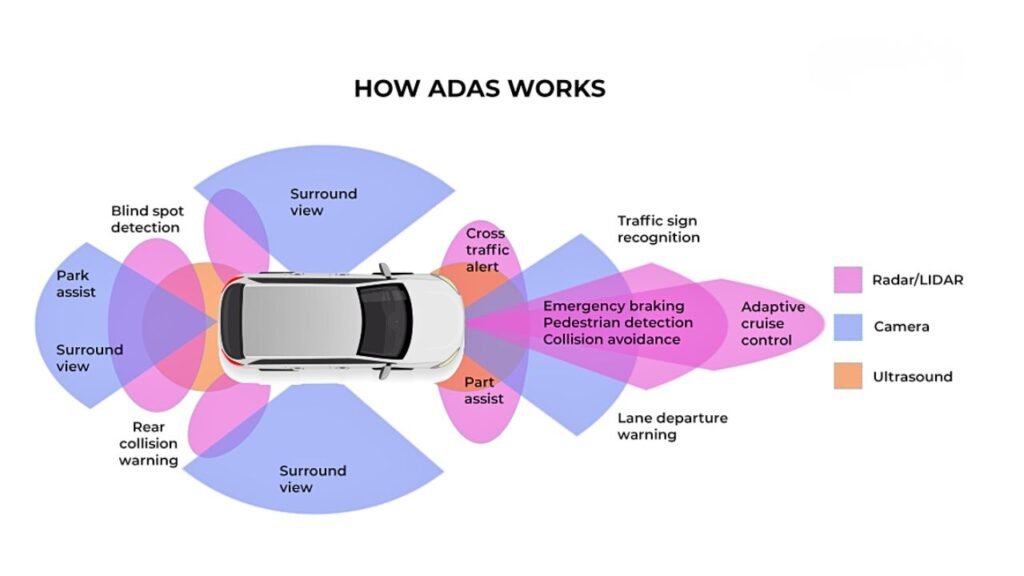
Elon had previously mocked BYD too, and today it is far ahead of Tesla. LiDAR and radar are military-proven and, unlike cameras, do not struggle in poor lighting or bad weather. Most autonomous cars today have as ADAS system incorporating a mix of LiDAR, radar, and cameras, and it seems like Elon will have to eat his words one day. YouTuber Mark Rober had recently tested a Tesla vision-only autopilot against a LiDAR mounted car and didn’t seem to have done well.
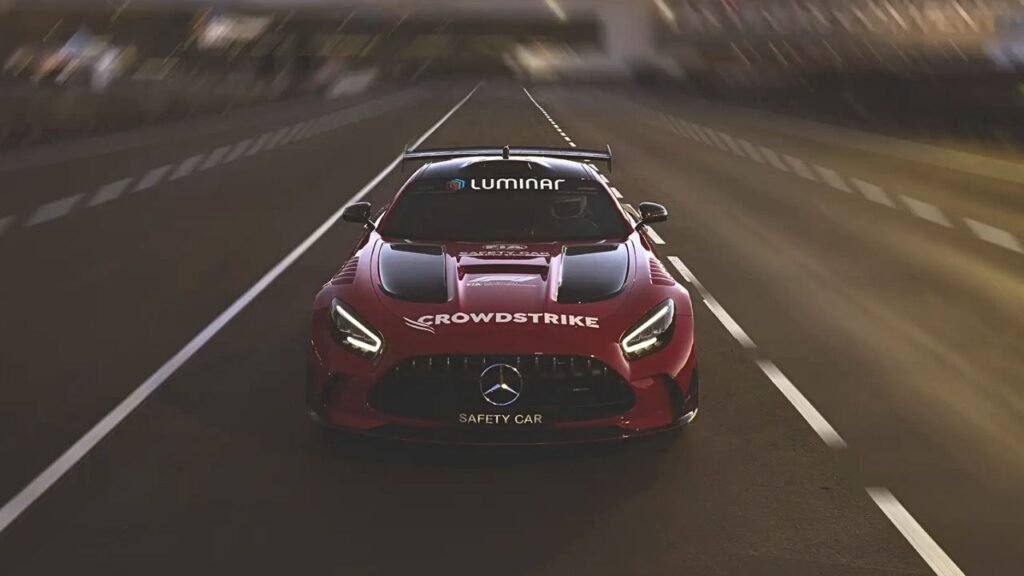
Top LiDAR Companies
China dominates the LiDAR market, with Hesai Technology being the largest manufacturer, especially in the automotive sector. Other major players are RoboSense (China), Huawei (China), Sick AG (Germany), Valeo (France), and Luminar Technologies (USA).
The global LiDAR market is expected to reach around USD 5 billion by 2030, with China being the undisputed LiDAR factory.
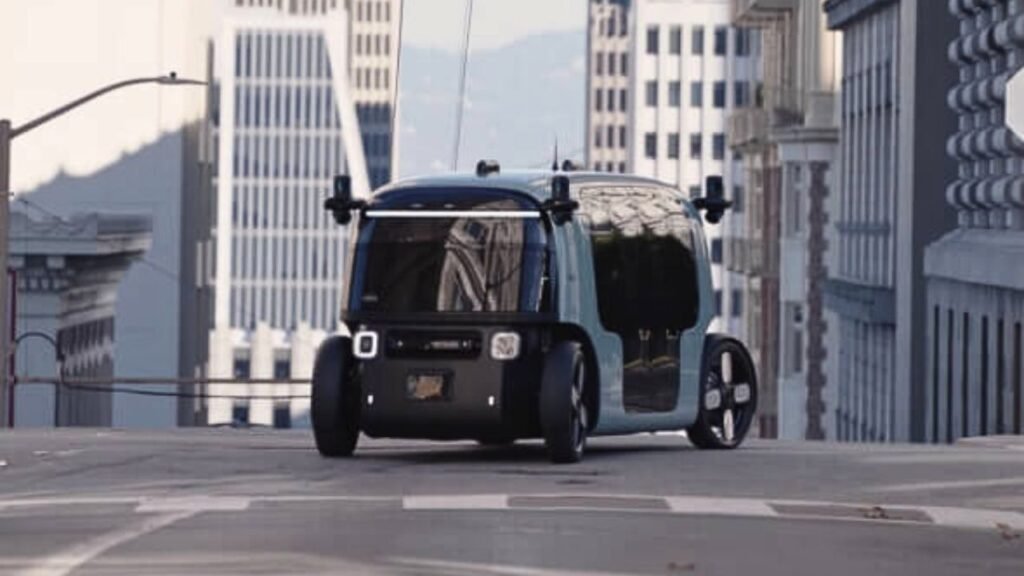
Is LiDAR technology the future or just a fancy flashlight?
In short, yes. The LiDAR market is booming with growth in autonomous vehicles, unmanned aerial vehicles UAVs, drones, robotics, and smart cities. Plus there has been a significant reduction in the cost of LiDAR during the last decade. As demand for speed and accuracy grows across different fields, LiDAR integration into systems will also grow.
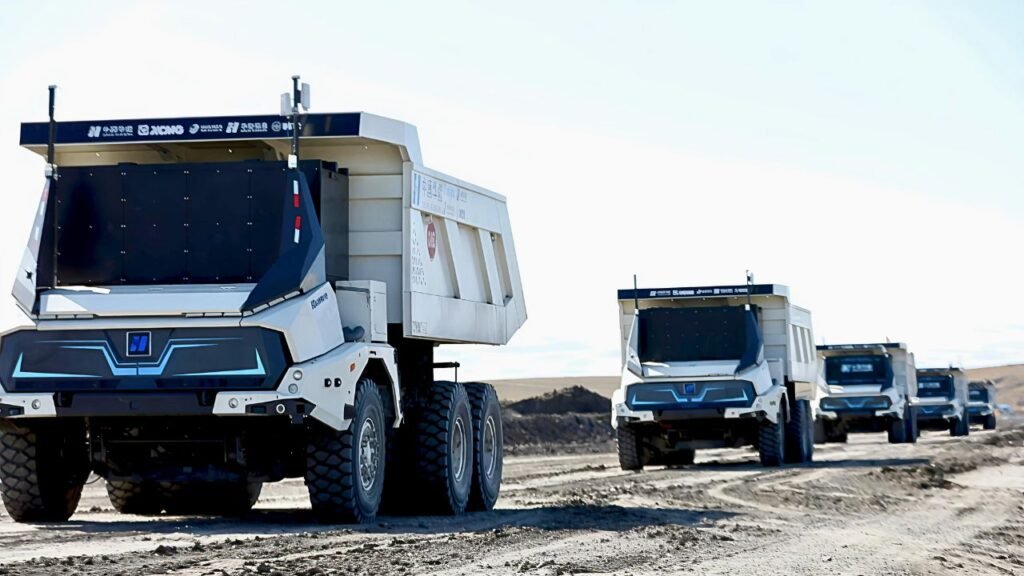
Tesla’s vision-only system looks under threat, and the combination of LiDAR, radar, and cameras might rule. What do you think? Drop in your comment.