
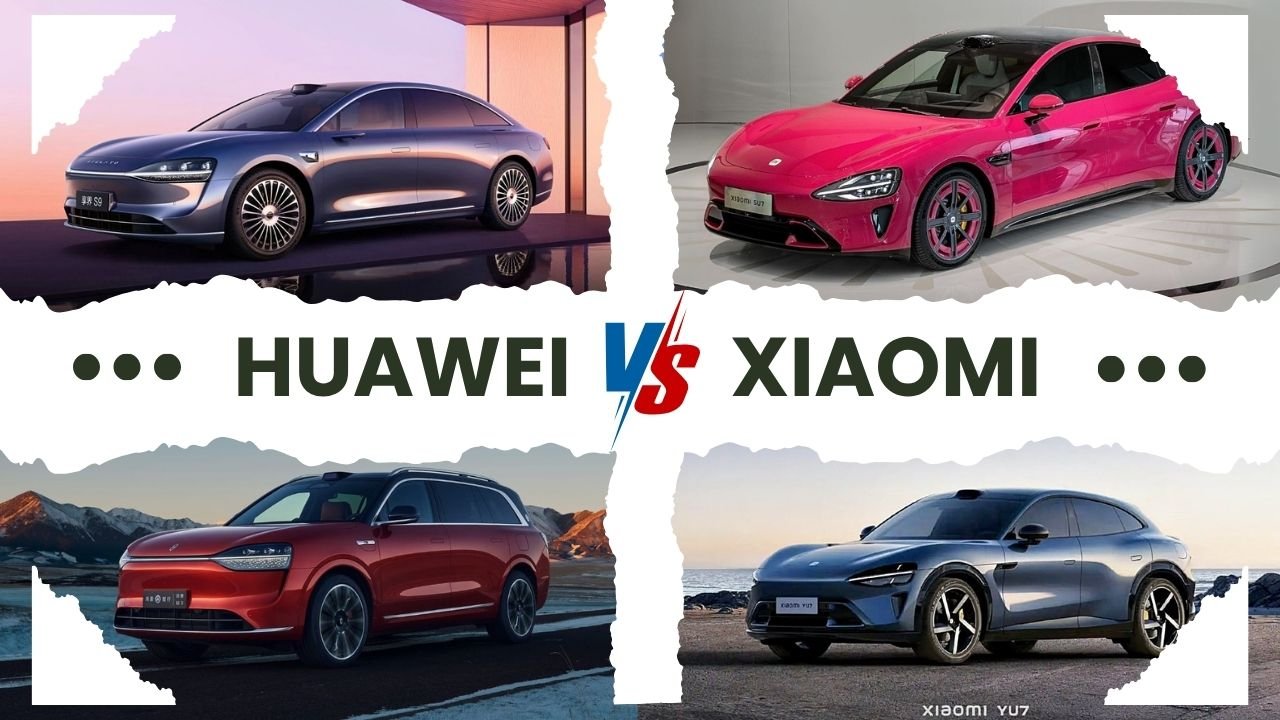
The world’s largest EV market is now a battleground where tech giants like Huawei and Xiaomi are challenging the traditional automakers. The Huawei vs Xiaomi smartphone battle is now moving on to automobiles in China. While leveraging their mass appeal, Huawei and Xiaomi have, however, adopted very different strategies in their auto business model.
In this article we compare the different business models of Huawei and Xiaomi, their technology, their market performance, and their future prospects.
Huawei vs Xiaomi – Automotive Business Model
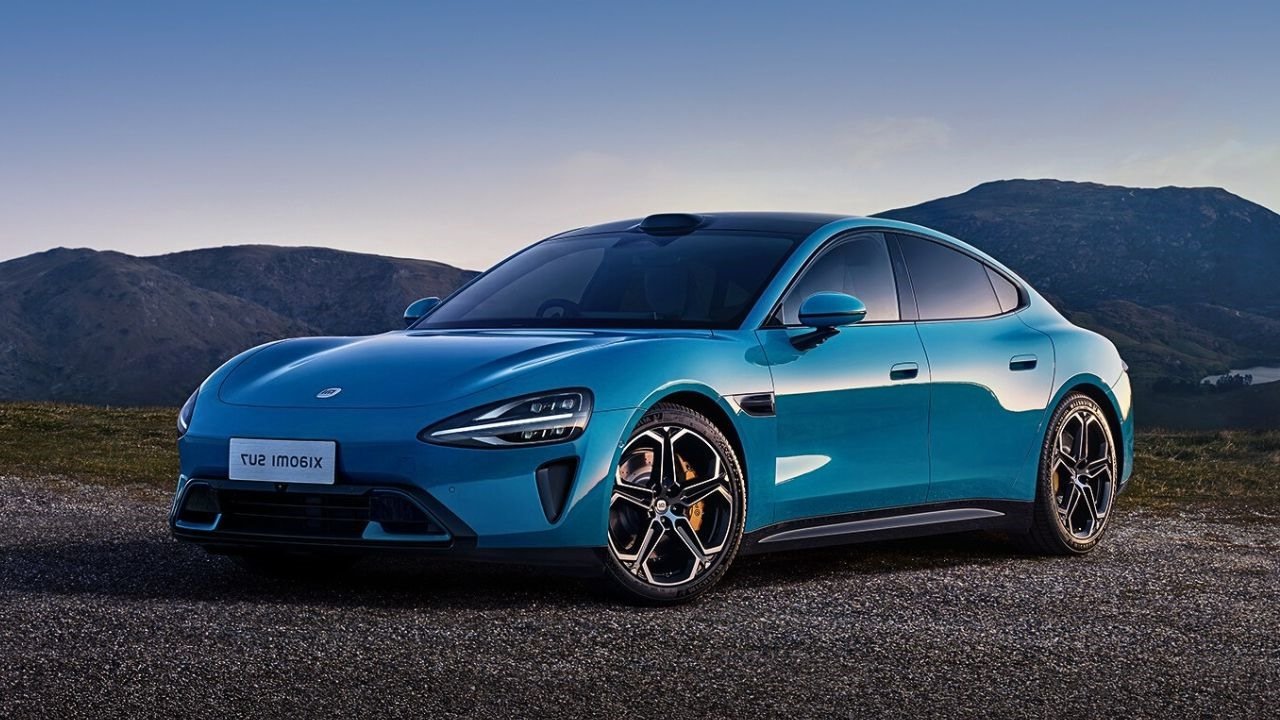
Xiaomi, the world’s third-largest smartphone manufacturer, entered the automotive market in 2021 with a business model to produce vehicles in its own name. Xiaomi intends to invest 10 billion USD over the next 10 years to develop all core technologies in-house. At present it has a partnership with BAIC wherein Xiaomi takes care of the car designing, software development, and sales, while BAIC only does the manufacturing. But Xiaomi is also already in the process of setting up its own auto manufacturing factories.

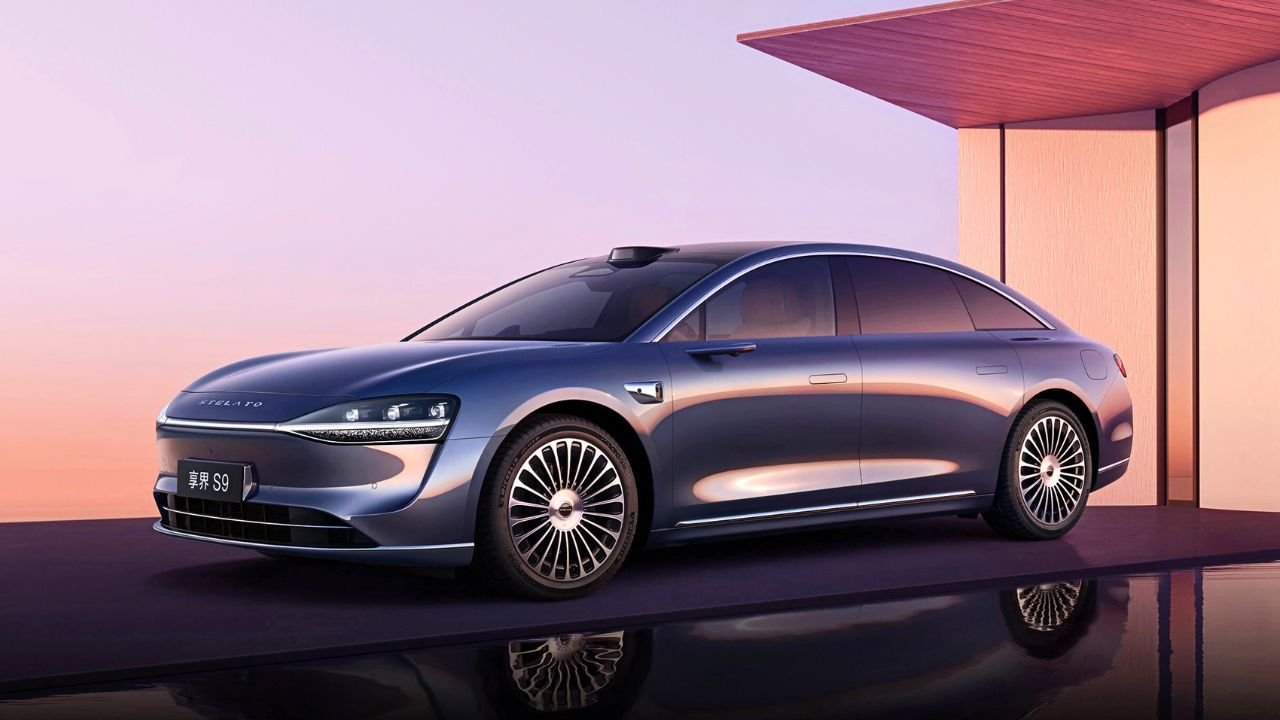
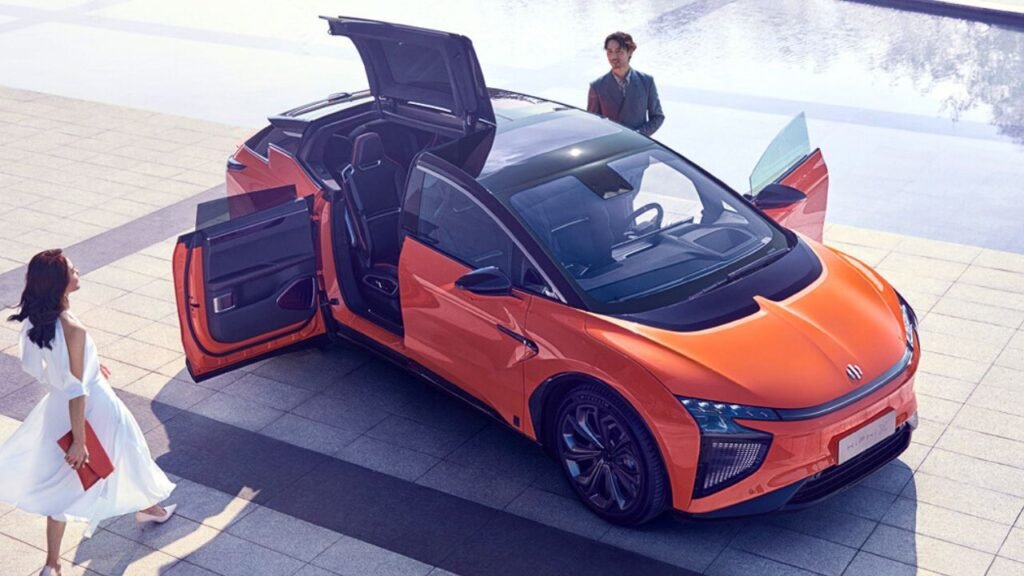
Huawei, the world’s second-largest smartphone manufacturer, on the other hand, chose not to manufacture cars in its own name but instead chose to act as a technology supplier through its Harmony Intelligent Mobility Alliance (HIMA). So far Huawei has partnered with automakers like Seres to create the AITO brand, Chery to create the Luxeed brand, BAIC to create the Stelato brand, JAC to create the Maextro brand, and SAIC to create the Shangjie brand.
While Huawei provides its autonomous driving technology and Harmony OS-powered cockpits powered by Kirin chipsets, its partners independently handle the design and production. Huawei does provide product design, brand marketing, and sales channels by establishing independent HIMA stores across China. Though this strategy allows for rapid growth, it does dilute Huawei’s brand visibility, as no vehicle carries its logo.
Huawei vs Xiaomi – Strategy and Performance
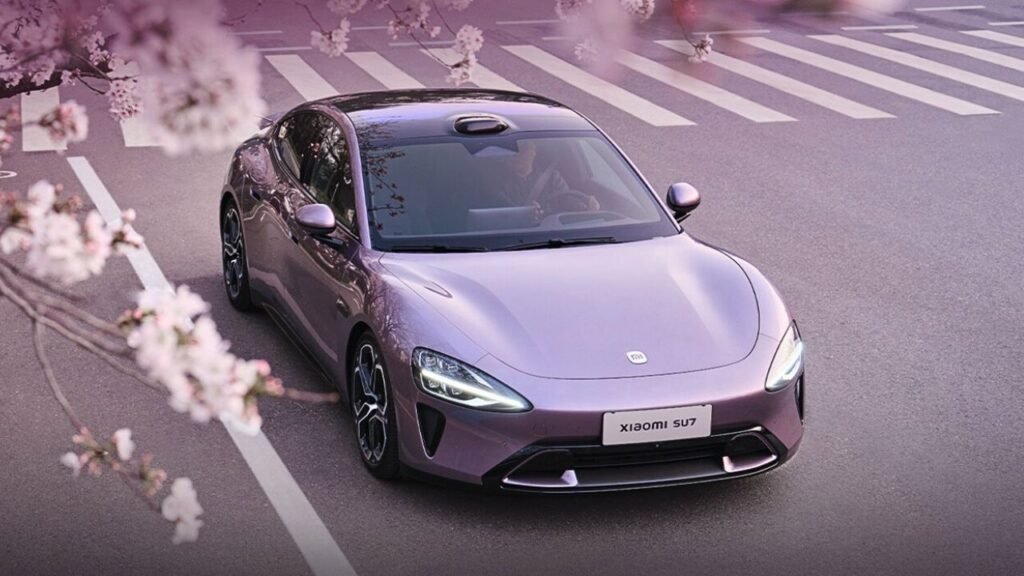
Xiaomi Cars launched its first model, the Xiaomi SU7 sedan, in 2024. It was an instant hit and received over 100,000 orders within two days and at present has a long waiting time of up to 350 days.
Xiaomi has a reputation for offering premium features and performance at affordable prices, and its Xiaomi cars are no different. For example, the Xiaomi SU7 price starts at just 215,900 yuan (USD 30,000) for the base model. With an acceleration from 0 to 100 km/h in 2.78 sec and a top speed of 265 km/h, it offers a supercar-like performance at a fraction of the cost as compared to legendary supercars. In fact, Xiaomi is known as the “Tesla killer” in China, having severely impacted Tesla Model S sales since its launch.
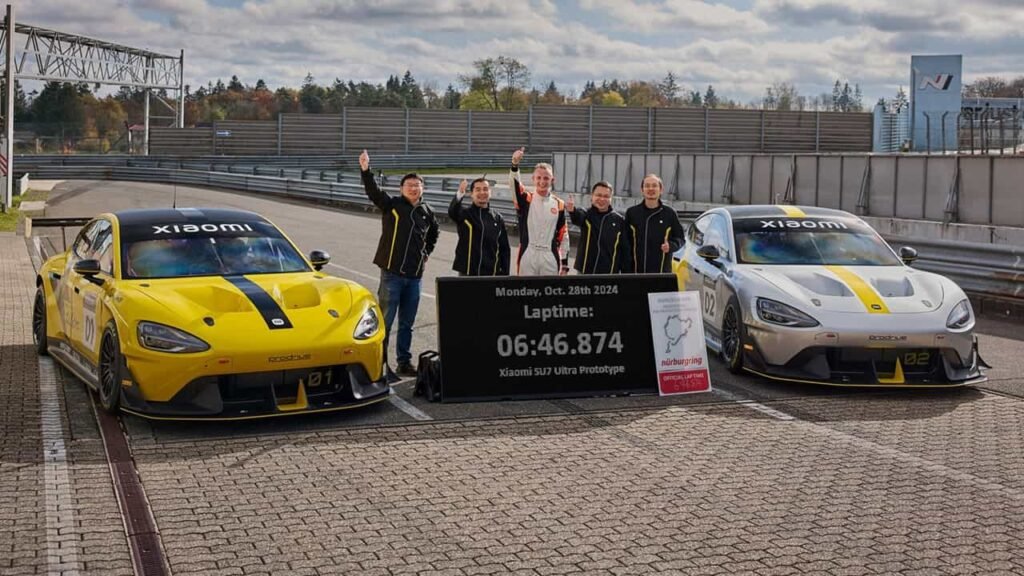
The Xiaomi SU7 Ultra takes a step even further. Boasting 1,548 HP with 1,770 Nm of torque, it can accelerate from 0 to 100 km/h in just 1.98 sec. It had also set the fastest 4-door sedan record at the Nürburgring circuit with a lap time of 6:46.874—20 seconds faster than the Porsche Taycan Turbo GT. All this for only 529,900 yuan (USD 73,700)—isn’t it a real bargain?
Xiaomi’s success has not just been due to its vehicles’ performance and affordability, but also their design. With design elements reminiscent of Porsche and Ferrari, they are both sleek and eye-catching.
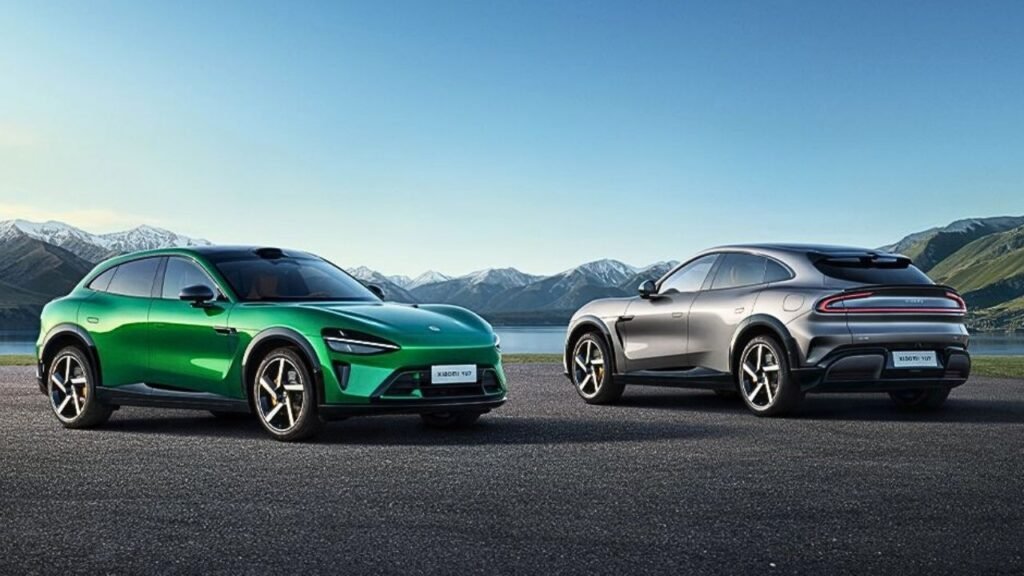
Xiaomi had also recently introduced its second model, the Xiaomi YU7 electric SUV. It is expected to start deliveries by the end of this year. A third vehicle, a full-size EREV SUV, has also been spotted testing, which is expected to be revealed in 2026. Xiaomi cars are presently selling around 30,000 units a month, and Xiaomi is trying to ramp up its production to keep pace with its amazing demand.
Huawei cars made under its partnered brands, are also doing exceptionally well. Huawei actually started with its own AITO brand in 2021 in partnership with Seres. It later sold the AITO brand to Seres and decided to be rather a technology supplier through its Harmony Intelligent Mobility Alliance (HIMA), which was established in 2023.

In fact, the fastest-growing Chinese car brand last year was AITO. It sold 386,907 units in 2024, a whopping 309% increase compared to its previous year.
The AITO M9 is one of the most high-tech of Huawei cars. It offers 5G connectivity, voice-activated commands, gesture control, multiple screens that can communicate with each other, Augmented Reality Head-Up Display (AR-HUD), Advanced Driver Assistance Systems (ADAS), Smart Air Purification System, Huawei xPixel smart projection headlights that can create thousands of different light effects, and more.
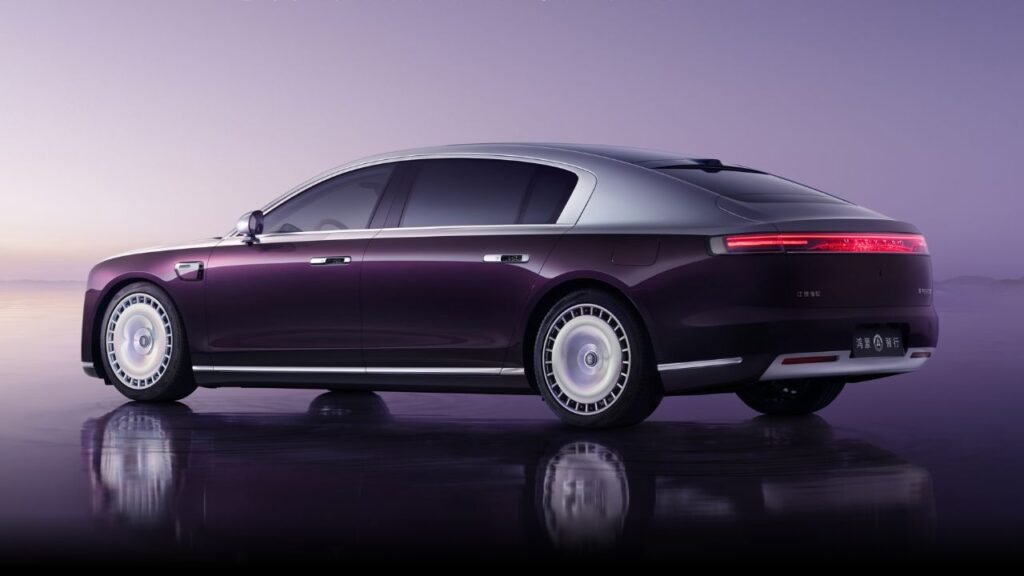
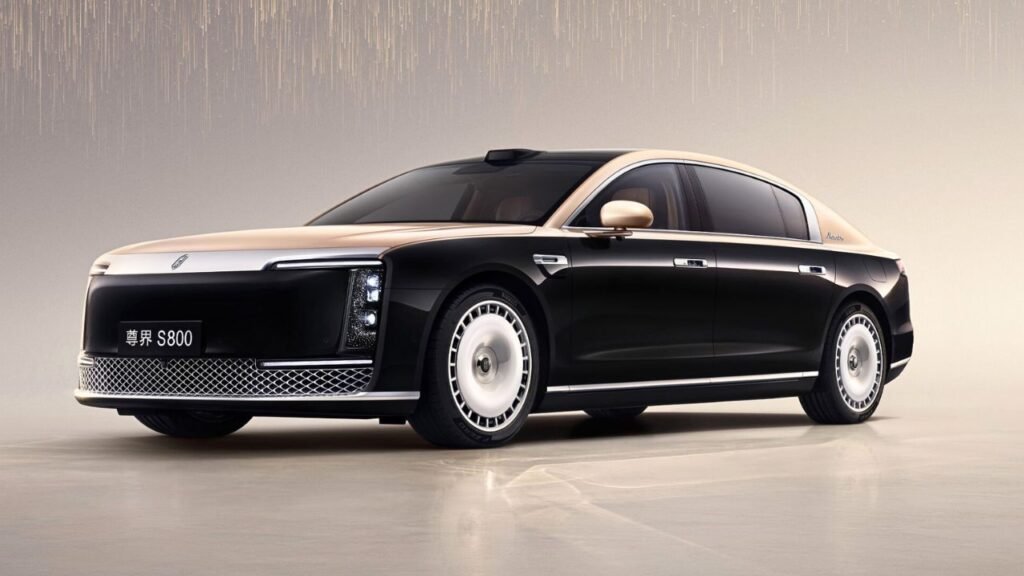
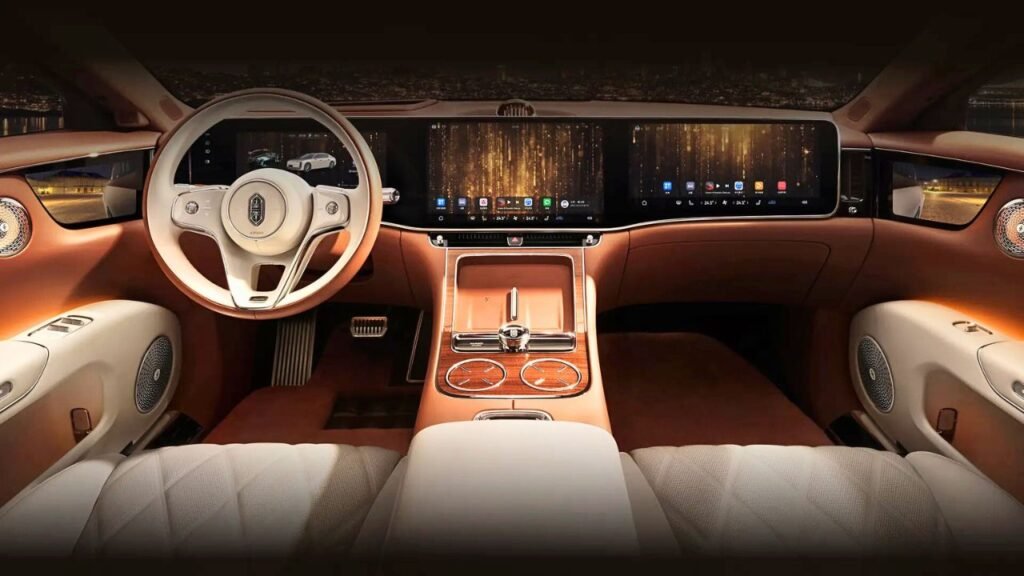
The Huawei JAC Maextro S800 has also been creating a lot of buzz recently with its luxury and technology standing up to Maybach and Rolls Royce levels. The vehicle boasts the industry’s first autonomous intelligent vehicle communication that can provide navigation even in deep tunnels where there is no network. The Huawei Maextro S800 effortlessly crab walks, climbs a snow hill where other luxury vehicles struggle, and even glides over potholes.
Huawei cars usually follow a premium pricing strategy within their segment. For example, the price of the AITO M9 starts at 469,800 Yuan (65,500 USD) for the extended range (EREV) option, and the Maextro S800 starts at 708,000 Yuan (98,700 USD). Even while carrying a premium price, these vehicles offer Huawei’s industry-leading driver assistance and autonomous driving technology. This is resulting in their high demand.
Huawei vs Xiaomi – Technology & Connectivity
Both Huawei and Xiaomi cars leverage their software expertise to create “smartphones on wheels,” offering many industry-leading technologies with seamless integration among all their smart consumer ecosystem devices. Imagine pre-activating your home’s air conditioning or robotic vacuum cleaner from the car’s infotainment screen while driving. Or a Xiaomi HyperOS on the vehicle syncing with a Xiaomi smartwatch to pre-cool the car based on weather data.
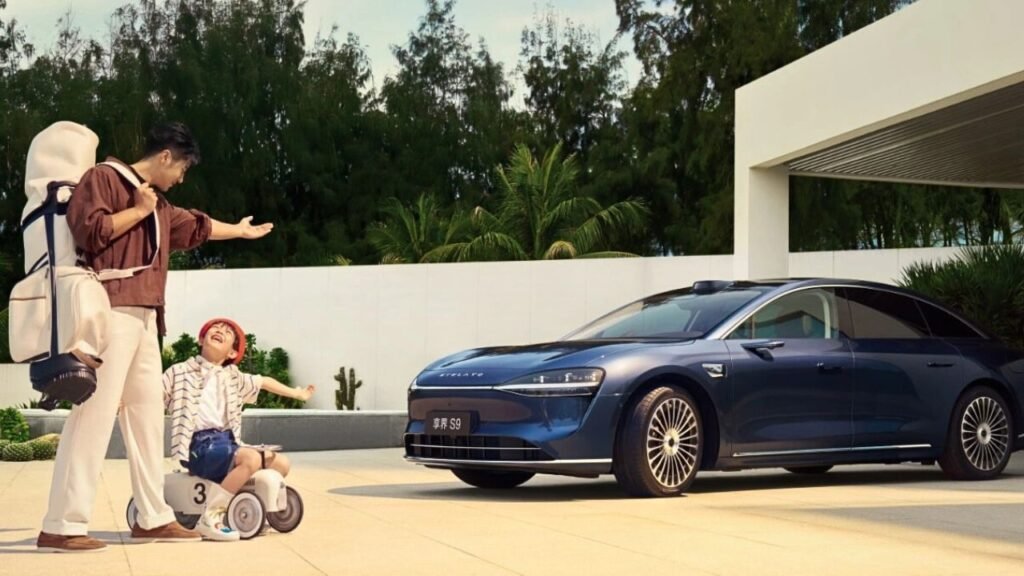
Both brands seem to offer the latest hi-tech features like 5G connectivity, voice-activated commands, gesture control, multiple touchscreens, Head-Up Display (HUD), Advanced Driver Assistance Systems (ADAS), and Smart Air Purification System, among others.
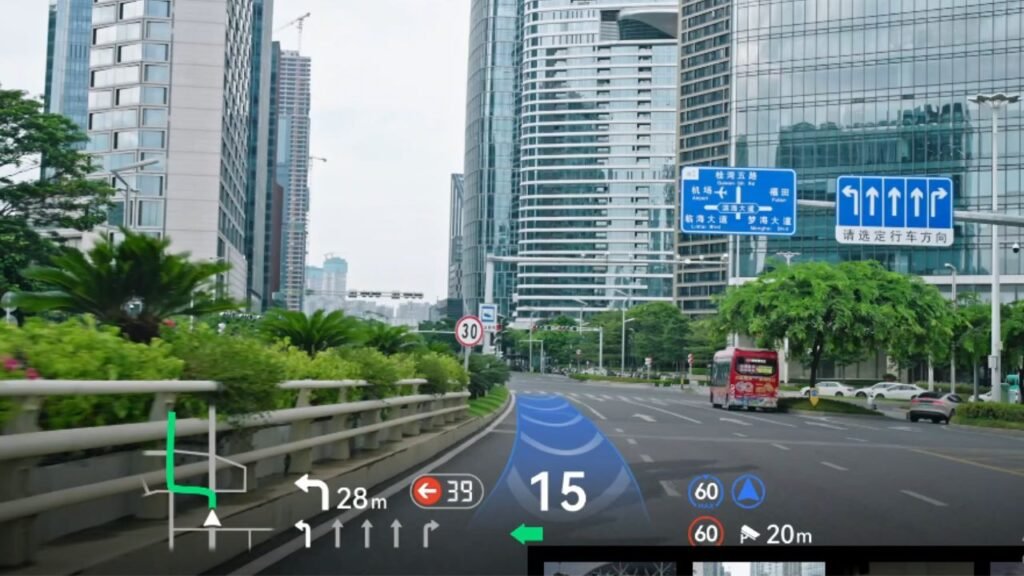
Huawei cars currently have an edge in their driver assistance technology. Huawei’s self-developed 192-line LiDAR has a detection distance of 250 meters, which is the highest in the industry. Xiaomi, on the other hand, presently uses a 128-line LiDAR with a detection distance of 200 meters. This will most likely make Huawei vehicles perform better on complex roads and in bad weather conditions. Huawei’s HarmonyOS, powered by Kirin chips, also supports over-the-air updates.
Xiaomi, on the other hand, makes it up with its performance. The Xiaomi SU7 can accelerate from 0 to 100 km/h in 2.78 sec and has a top speed of 265 km/h, while the Xiaomi SU7 Ultra can accelerate from 0 to 100 km/h in just 1.98 sec. Xiaomi vehicles therefore make up for a deadly combination of looks and performance.
Huawei vs Xiaomi – Market Challenges
Xiaomi’s eye-catching design, performance, seamless HyperOS integration with other smart device ecosystems, affordability, and strong brand loyalty among Mi fans have fueled its amazing demand, with waiting times for some of its model variants being as much as 350 days.
However, Xiaomi faces challenges with increasing production quickly as it expands to manufacture the vehicles all by itself. This would also delay its entry into the world market, which it plans to do by 2027. Presently it also has a limited product range with only two models on offer, limiting its market coverage.
Huawei, on the other hand, relies on its industry-leading technologies and a multi-brand lineup through partnerships with different manufacturers. This enables it for a much broader market reach.
However, Huawei struggles with brand recognition, as its vehicles are not in its name. Also, technologies are developing fast, and to maintain leadership is not easy.
Both companies, however, face risks of price wars, especially in the highly competitive Chinese market. In the long run, maintaining their lead in smart mobility technology and offering competitive pricing will be critical.
Huawei vs Xiaomi Cars – Looking Forward
Both Huawei and Xiaomi are leveraging their software expertise to create “smartphones on wheels.” Both have hit success in their automotive ventures, though they have taken very different approaches. While Xiaomi is setting up manufacturing plants to produce complete vehicles itself, Huawei, on the other hand, chose not to manufacture cars in its own name but instead preferred to act as a technology supplier through its Harmony Intelligent Mobility Alliance (HIMA) with other automobile manufacturers.
Both their cars offer hi-tech features with seamless integration among all their smart consumer ecosystem devices. Xiaomi cars are sought for their eye-catching design, features, performance, and affordability. Huawei cars are sought for their industry-leading driving assistant features and performance. With a huge fan following of both Huawei and Xiaomi, especially in China, they are seeing unprecedented demand for their vehicles. Some model variants of Xiaomi have a waiting time of up to 350 days.
By trying to manufacture cars themselves and grow internally, Xiaomi faces challenges with increasing production quickly. Huawei, on the other hand, relies on supplying its industry-leading technologies to a multi-brand lineup through partnerships with different manufacturers. Though this enables it to scale up quickly and have a much broader market reach, it doesn’t create a brand identity for Huawei cars, as no vehicles are made in its brand name.
Both Huawei and Xiaomi have great ambitions for their automotive businesses. Xiaomi intends to rank among the world’s top five automakers within the next 15–20 years, while Huawei intends to now expand into Asia and Europe.
No matter how the Huawei vs Xiaomi cars battle turns out, one thing is for sure: both of these companies are redefining the automotive landscape. With their tech-driven approaches, they are leading the world of smart mobility.
With Xiaomi’s direct approach and Huawei’s collaborative strategy, each has its own strengths and challenges. But this Huawei vs Xiaomi rivalry is indeed making a fascinating case study in the automotive world.
What do you think about Huawei and Xiaomi cars? Drop in your thoughts below.

Thank you for sharing superb informations. Your site is very cool. I am impressed by the details that you have on this web site. It reveals how nicely you perceive this subject. Bookmarked this web page, will come back for more articles. You, my pal, ROCK! I found simply the information I already searched everywhere and just could not come across. What a great web-site.
Keep working ,fantastic job!
This design is wicked! You most certainly know how to keep a reader amused. Between your wit and your videos, I was almost moved to start my own blog (well, almost…HaHa!) Wonderful job. I really enjoyed what you had to say, and more than that, how you presented it. Too cool!